Archives
- 2026-10
- 2026-09
- 2026-08
- 2026-07
- 2026-06
- 2026-05
- 2026-04
- 2026-03
- 2026-02
- 2026-01
- 2025-12
- 2025-11
- 2025-10
- 2025-09
- 2025-03
- 2025-02
- 2025-01
- 2024-12
- 2024-11
- 2024-10
- 2024-09
- 2024-08
- 2024-07
- 2024-06
- 2024-05
- 2024-04
- 2024-03
- 2024-02
- 2024-01
- 2023-12
- 2023-11
- 2023-10
- 2023-09
- 2023-08
- 2023-07
- 2023-06
- 2023-05
- 2023-04
- 2023-03
- 2023-02
- 2023-01
- 2022-12
- 2022-11
- 2022-10
- 2022-09
- 2022-08
- 2022-07
- 2022-06
- 2022-05
- 2022-04
- 2022-03
- 2022-02
- 2022-01
-
Tumor tissues often experience hypoxia owing to
2023-07-18
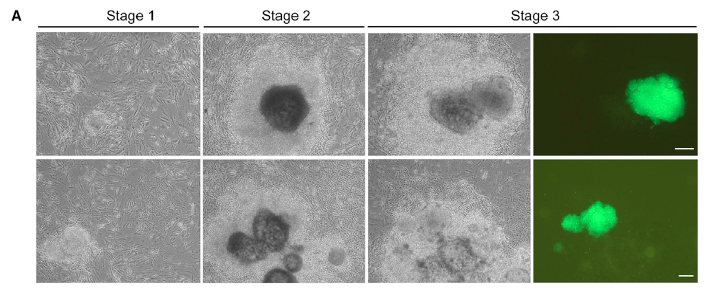
Tumor tissues often experience hypoxia owing to accelerated growth rates of malignant cells, accumulation of metabolic products, disorganization of tumor blood vessels, and high interstitial fluid pressures (Makino et al., 2001). In response to AAD treatment, tumor vascular density often decreases t
-
To date attention has been directed towards new
2023-07-18
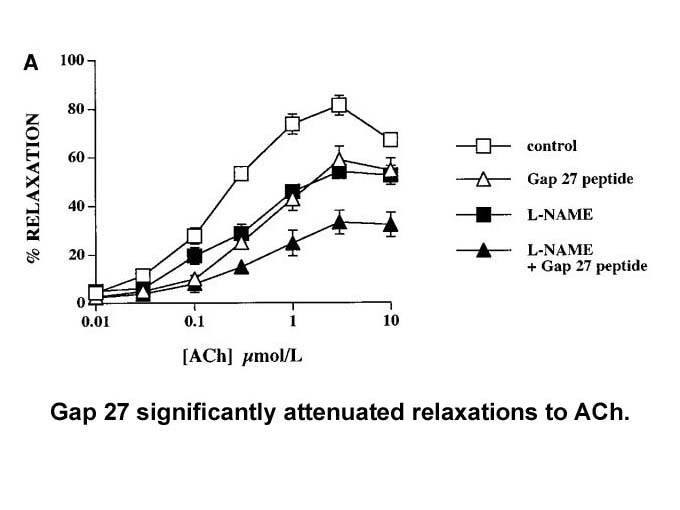
To date, attention has been directed towards new molecular targets in luminal phenotype (ER-positive), such as CDK4/6 and, to a lesser extent, androgen receptor (AR) pathways [8]. While the role of CDK4/6 has been elucidated and their inhibitors have shown a benefit in luminal BC, the role of AR in
-
Some members from the AAAP family
2023-07-17
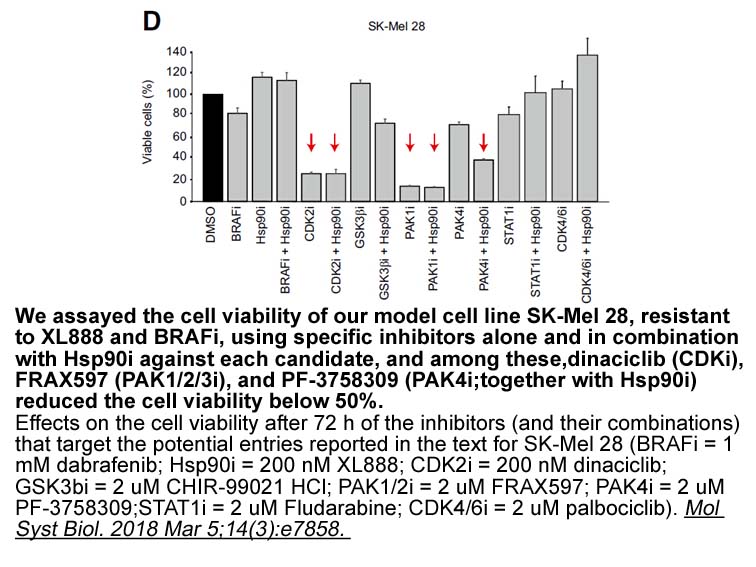
Some members from the AAAP family, namely the AUX1 and the LAX proteins, transport auxin instead of amino acids [48]. While there is some structural relationship between IAA and Trp, the substrate recognition characteristics seem different for these proteins: the auxins do not have any amino group o
-
vitamin d3 sources The role of the adaptive immune response
2023-07-17
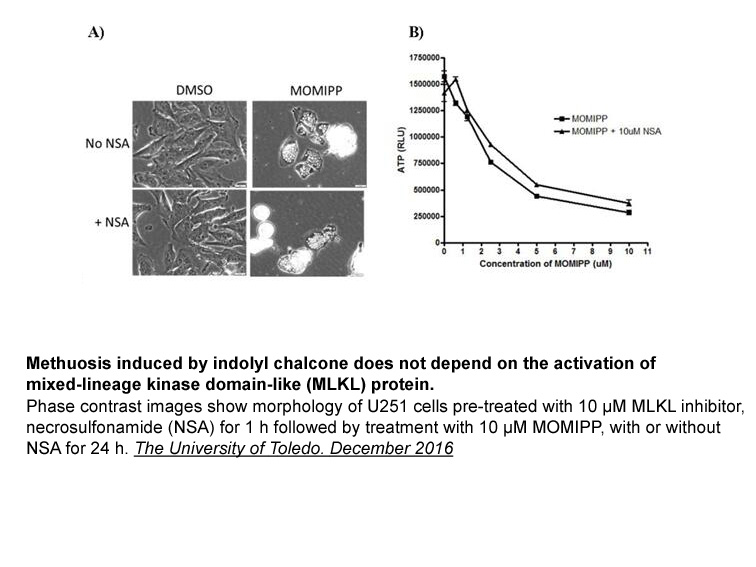
The role of the adaptive immune response in AD is not fully understood and previous studies are controversial. In this context, serum levels of T and B lymphocytes were found to be reduced in AD patients, suggesting a decline of the immune response during the course of the disease (Richartz-Salzburg
-
br Conclusions br Introduction During
2023-07-17
Conclusions Introduction During numerous physiological processes, aldehydes are generated from a variety of endogenous and exogenous precursors including amino acids, carbohydrates, and lipids [1]. Most aldehydes are highly reactive and cytotoxic due to the strong electrophilic nature of the t
-
Thus we presumed that ALDH
2023-07-17
Thus, we presumed that ALDH1A3 might play an important role in TMZ-chemoresistance in glioblastoma patients. As we expected, the glioblastoma cell lines and primary glioma Pyrintegrin were more sensitive to TMZ treatment when ALDH1A3 was inhibited or depleted. Consistently, it has been shown that d
-
br Therapeutic advantages and clinical
2023-07-17
Therapeutic advantages and clinical implications of caffeine treatment in ROP The demonstration of the role of the adenosine receptor in development of ROP and protection by caffeine suggests two potential therapeutic strategies with high translational potential: a) modification of caffeine treat
-
gnrh antagonist Adenosine receptors activate a number of sig
2023-07-17
Adenosine receptors activate a number of signalling pathways involved in tissue survival including several mitogen-activated protein kinases (Fredholm et al., 2001). The common feature of all adenosine receptors is the positive coupling to ERK1/2, whilst A2B and A3 receptors can also activate the st
-
We have expressed the ECDs of the human and AChR
2023-07-17
We have expressed the ECDs of the human α1, β1, γ and ɛ AChR subunits in the past using the methylotropic yeast Pichia pastoris as soluble glycosylated proteins [15], [16]. Further work with the γ subunit ECD revealed a marked improvement of the solubility and yield following the mutation of hydroph
-
br In our experience br History
2023-07-17
In our experience History of ER and ACh tests As shown in Table 1, Stein et al. first reported the usefulness of intravenous injection of ER in diagnosing coronary insufficiency in 1949 [16]. In 1972, the first ER spasm provocation test was employed at the Cleveland Clinic during cardiac cathe
-
The indirect effect of corporate
2023-07-17
The indirect effect of corporate taxation, as given by the second term in Eq. (18), consists of two elements; (i) a standard Angiotensin Fragment 1-7 acetate effect (τ/n2), and (ii) a capital cost effect (rG(1−αt)/(1−t)). With a CRS technology, the cost effect vanishes, whereas with an IRS (a DRS)
-
Accumulating data suggest that ROS trigger autophagy but
2023-07-17
Accumulating data suggest that ROS trigger autophagy but, in turn, autophagy reduces ROS levels [23]. Our results are in agreement because 27-OH mediated autophagy induction interms of LC3 II formation and Beclin 1 protein expression was suppressed by treating the promonocytic cells with the antioxi
-
br Materials and methods Bacterial strains and growth
2023-07-17

Materials and methods Bacterial strains and growth conditions. Escherichia coli TOP10 and E. coli BL21Star (DE3) (ThermoFisher, Waltham, MA) were grown at 37 °C in Luria broth (LB) or LB-agar containing kanamycin (50 μg/ml). Bioinformatic analyses. The amino Chlorhexidine digluconate sequence of
-
br Materials and methods br Results br Discussion Many studi
2023-07-17
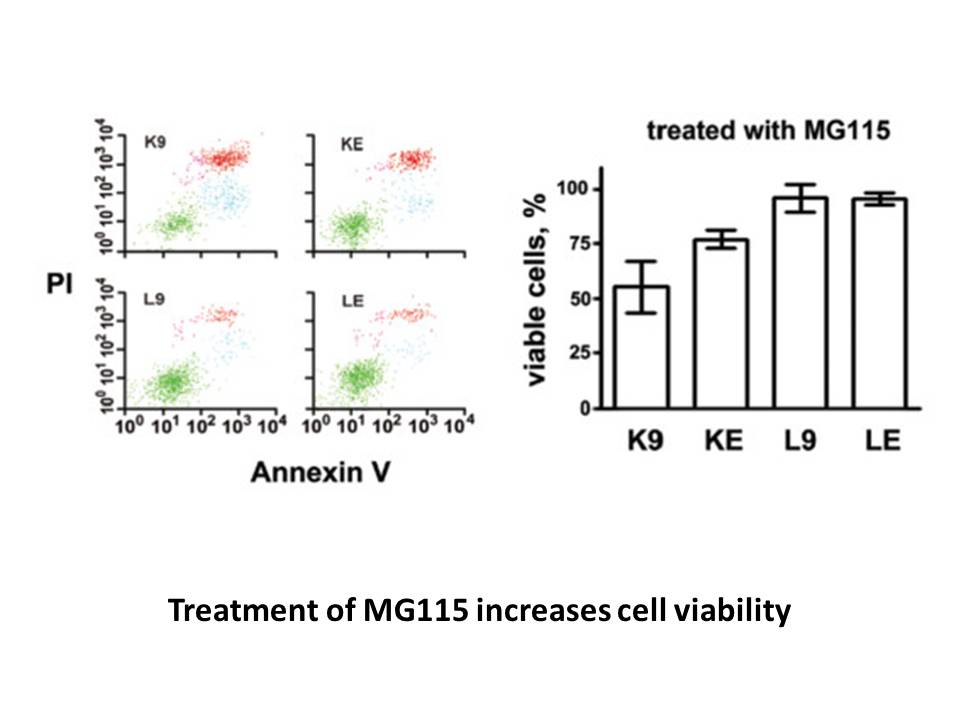
Materials and methods Results Discussion Many studies investigate the role of 12/15-LOX in cancer cell,23, 24, 25 however we here first found that host 12/15-LOX also plays an important role in metastasis progression. We have demonstrated that 12(S)-HETE increased melanoma cell adhesion to
-
We used the lead compound C to demonstrate
2023-07-17
We used the lead compound C4 to demonstrate that small molecule ACL inhibitors can recapitulate ACL knockdown (KD) in modulation of cancer stemness. We have shown previously that ACL KD reduced the CSC population in multiple cancer cell lines. The E-snail cells are an established CSC model system.
8643 records 361/577 page Previous Next First page 上5页 361362363364365 下5页 Last page